A little hope. A new beginning. Every family begins with a personal hope.
← Back to home

FOR INTENDED PARENTS

A thoughtful path
toward your family.

The surrogacy journey, from your first conversation to bringing your child home.

This page outlines gestational surrogacy: a carrier carries an embryo created using the intended parents’ or donors’ eggs and sperm. Available options and the order of steps depend on the country, clinic and individual circumstances.

Explore the process ↘

01 / FOR INTENDED PARENTS

Consultation & planning

Clarify eligibility, responsibilities and the full budget before committing.

01

Initial consultation & your circumstances

Discuss your family plans, medical history, existing eggs or embryos, nationality, residence and preferred communication language. Prepare questions about treatment, costs and support. An inquiry does not commit you to treatment or a contract.


Initial consultation & your circumstances
02

Check eligibility and the legal route first

A qualified lawyer must check the rules in the treatment country and your home country: access, marital status, genetic-link requirements, donor rules and recognition of parentage. Do this before paying or creating a treatment plan. A programme offered abroad may not be available to your circumstances.

Check eligibility and the legal route first
03

Clinic, written budget & responsibilities

Review clinic credentials and separate agency, IVF, medication, donor/carrier, legal, insurance, delivery, newborn and travel costs. Ask what is excluded, who holds funds, and what happens after cancellation, failed transfer or complications. Agree communication, translation and emergency contacts in writing.

Clinic, written budget & responsibilities

02 / FOR INTENDED PARENTS

Eggs, sperm & embryo creation

Egg retrieval, fertilisation and embryo transfer are separate stages. A gestational carrier does not provide the egg.

04

Choose own eggs or an egg donor

The doctor assesses whether your own eggs can be used. If using a donor, review authorised profiles, medical and family history, infection screening and appropriate genetic counselling/testing. Availability and disclosure depend on local rules and consent. A profile or test score cannot guarantee a child’s appearance, intelligence or health.

Choose own eggs or an egg donor
05

Ovarian stimulation & monitoring

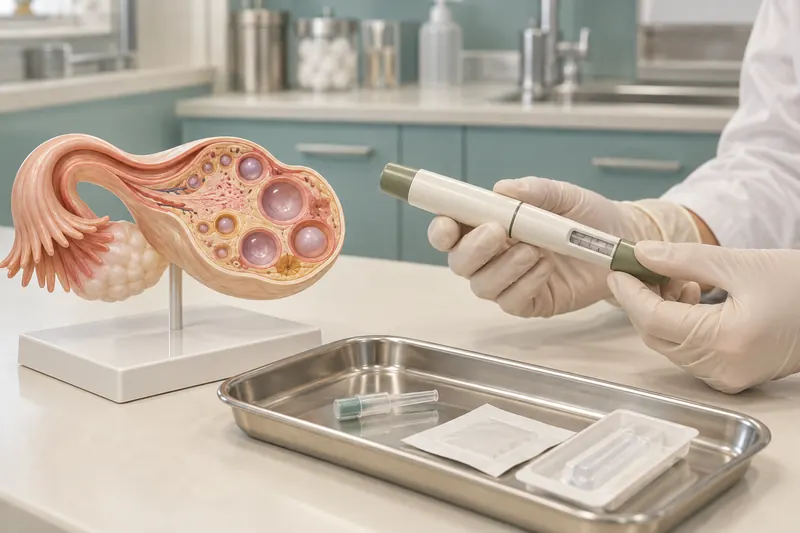
The egg provider receives a personalised medication plan to help several follicles develop. Injections are often given for about 8–14 days, with ultrasound and blood tests to adjust treatment. The doctor explains side effects and ovarian hyperstimulation risk; the cycle may be changed or cancelled for safety.

Ovarian stimulation & monitoring
06

Trigger injection & egg retrieval

When follicles are ready, the clinic schedules a maturation trigger and retrieval, commonly around 36 hours later. Eggs are collected using an ultrasound-guided needle through the vagina, with sedation or anaesthesia as appropriate. The provider rests afterwards and follows medical advice. Not every follicle yields a mature usable egg.

Trigger injection & egg retrieval
07

Sperm testing, collection & storage

The clinic arranges semen assessment, infection screening and consent for the intended father or permitted sperm donor. A fresh or previously frozen sample may be used. If samples or embryos cross borders, confirm receiving-clinic approval, specialised transport, identification and all import/export permissions before shipment.

Sperm testing, collection & storage
08

How IVF and ICSI fertilise the egg

In conventional IVF, eggs and prepared sperm are placed together in a laboratory dish. In ICSI, an embryologist injects one sperm into a mature egg. The clinic recommends the method for your case and checks fertilisation afterwards. Neither method guarantees fertilisation or a transferable embryo.

How IVF and ICSI fertilise the egg
09

Embryo culture, assessment & freezing

Fertilised eggs develop in an incubator; some are cultured to blastocyst, commonly around day 5–6. Not all continue developing. Suitable embryos may be frozen for later transfer. Discuss storage consent, fees and optional genetic testing (PGT), including limitations: testing does not guarantee a healthy baby or improve outcomes for everyone.

Embryo culture, assessment & freezing

03 / FOR INTENDED PARENTS

Carrier matching & embryo transfer

Medical screening, mutual agreement and independent legal advice come before treatment and transfer.

10

Gestational carrier screening & mutual matching

The clinic reviews pregnancy/birth history, medical suitability and required screening. Psychosocial assessment and support are also important. Both sides discuss communication, pregnancy expectations, privacy and sensitive decisions. Matching requires the carrier’s voluntary agreement as well as yours; she is a different person from the egg donor.

Gestational carrier screening & mutual matching
11

Independent advice, agreements & legal clearance

Each side should have independent legal advice before treatment. Address expenses, insurance, decision-making, communication, emergencies, parentage and the child’s documents. Agreements do not override the carrier’s medical consent or automatically establish parentage. Lawyers confirm required approvals and enforceability under the relevant laws before proceeding.

Independent advice, agreements & legal clearance
12

Prepare the uterine lining for transfer

The carrier follows a clinic-managed natural or medicated cycle. Ultrasound and, when needed, blood tests check the uterine lining and timing; medication may include oestrogen and progesterone. The laboratory coordinates embryo thawing. This prepares the uterus, unlike the egg provider’s ovarian stimulation.

Prepare the uterine lining for transfer
13

Embryo transfer (ET) into the uterus

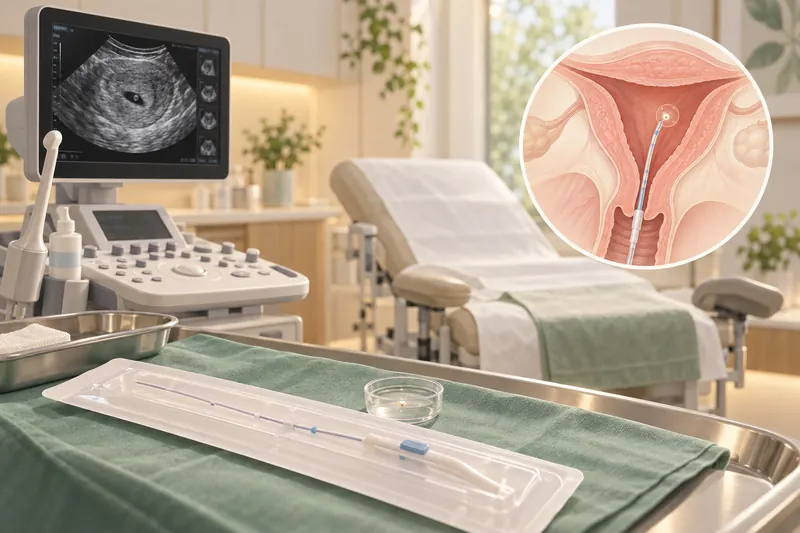
The clinician places an embryo into the uterine cavity using a thin catheter through the cervix, often with ultrasound guidance. It is not egg retrieval or an injection into an ovary. Discuss embryo number and multiple-pregnancy risk; single-embryo transfer is generally preferred for gestational carriers. Transfer itself does not confirm implantation.

Embryo transfer (ET) into the uterus
14

Pregnancy test & early ultrasound

The clinic sets the date for a blood hCG test, often around 10–14 days after transfer depending on the protocol. Repeat tests and later ultrasound assess progress. A positive test is not a guarantee of an ongoing pregnancy. If unsuccessful, review medical findings, remaining embryos, next steps and additional costs before another attempt.

Pregnancy test & early ultrasound

04 / FOR INTENDED PARENTS

Pregnancy, birth & bringing your child home

Plan healthcare and travel alongside parentage, birth registration, nationality and travel documents.

15

Prenatal care & communication during pregnancy

An obstetric team provides check-ups and manages any pregnancy complications. Agree how updates and scans are shared with the carrier’s consent, respecting privacy and her medical decision-making. Plan delivery location, emergency arrangements and newborn care. Review insurance and possible hospitalisation or premature-birth costs rather than assuming every pregnancy is uncomplicated.

Prenatal care & communication during pregnancy
16

Travel, accommodation & flexible arrival

Confirm entry requirements and whether earlier visits are needed for consultations, samples or retrieval. Plan arrival around delivery with flexibility for early birth, suitable accommodation, newborn supplies and a longer stay if paperwork or medical care takes time. Do not book a fixed return flight before the child’s travel eligibility is confirmed.

Travel, accommodation & flexible arrival
17

Birth, carrier recovery & newborn care

The maternity team decides clinical care with the carrier’s informed consent. Attendance and newborn-care arrangements follow hospital rules, agreements and applicable law. After birth, both carrier recovery and the baby’s examination, feeding and discharge need attention. Prematurity or neonatal intensive care can change the plan and length of stay.

Birth, carrier recovery & newborn care
18

Establish parentage & register the birth

Local lawyers coordinate the required birth registration, consents and any pre- or post-birth court procedure. Check who is legally recognised at birth and what later action is needed. Obtain certified records and required translations/authentication. A contract or foreign birth certificate alone may not establish recognised parentage in your home country.

Establish parentage & register the birth
19

Nationality, passport & permission to travel

Check the child’s nationality and entitlement to a passport with the relevant consulate before treatment. After birth submit the required parentage/birth records; some cases require extra evidence or DNA testing. Confirm exit and entry permissions, visas and medical fitness to fly. Processing time varies; parentage and nationality are separate questions.

Nationality, passport & permission to travel
20

Return home, recognition & ongoing care

Complete any home-country civil registration or parentage recognition with your lawyer. Arrange the baby’s healthcare cover and paediatric follow-up, and retain medical, donor and legal records appropriately for future needs. Agree any continuing contact with the carrier and a thoughtful plan for discussing the child’s origins as they grow.

Return home, recognition & ongoing care

An informed decision, at your own pace.

Understand the rights, responsibilities, costs and medical implications before deciding. The carrier’s informed consent and wellbeing remain central throughout the process.

Further reading: medical guidance and a country-specific legal example. Rules must be checked for your own countries.
HFEA: IVF (UK) · ASRM: Gestational carriers (US) · GOV.UK: UK return example

YOUR QUESTIONS MATTER

Begin with a question.

For questions about surrogacy or an initial consultation, please use our inquiry form.

Go to the inquiry form ↗
IITS LIFE / INFORMATION